

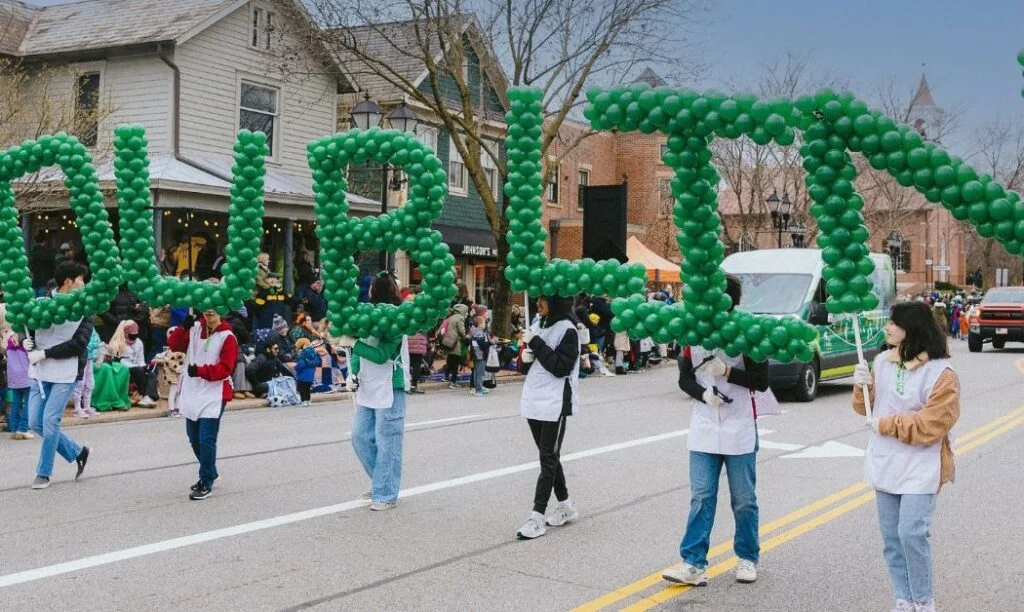
When people talk about Irish heritage in North America, cities like Boston or Chicago usually steal the spotlight.
But tucked just outside Columbus is a city that might actually have a stronger claim than all of them. That city is Dublin, Ohio. Sorry, South Bend. We’re more Irish than you (and our football team is better, too).
And Dublin goes all out for its Irish roots.
We’re talking massive St. Patrick’s Day celebrations, a parade, pub crawls, pancake breakfasts, and an Irish festival that is so big it actually beats festivals in Ireland itself.
Yes. Seriously.
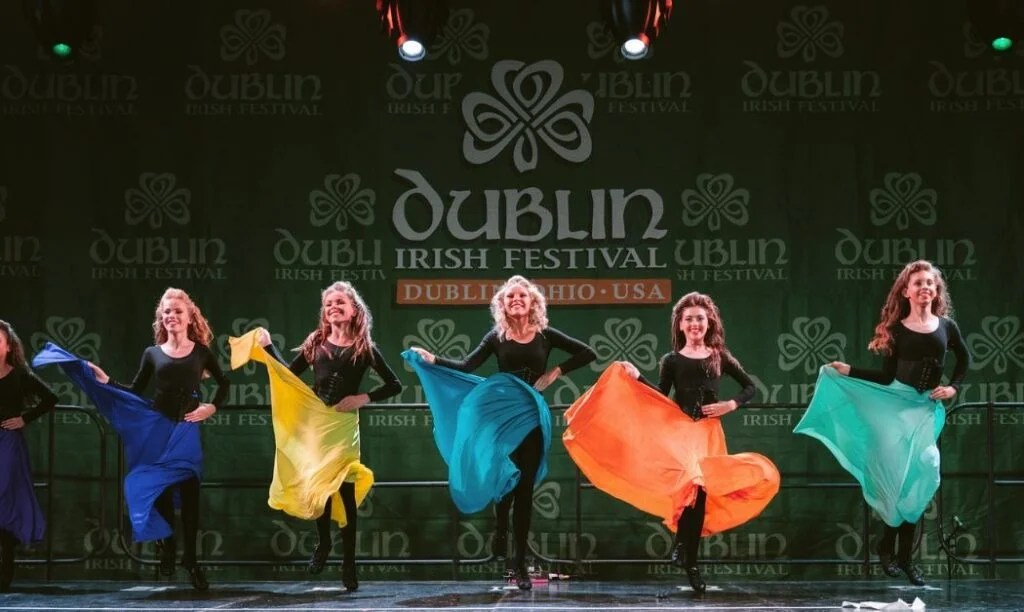
The Dublin Irish Festival Is the Largest of Its Kind in the World
Let’s start with the big one.
The Dublin Irish Festival is not just a local celebration. It is the largest three-day Irish festival in the world, including those in Ireland.
Which is honestly a wild statistic when you stop and think about it.
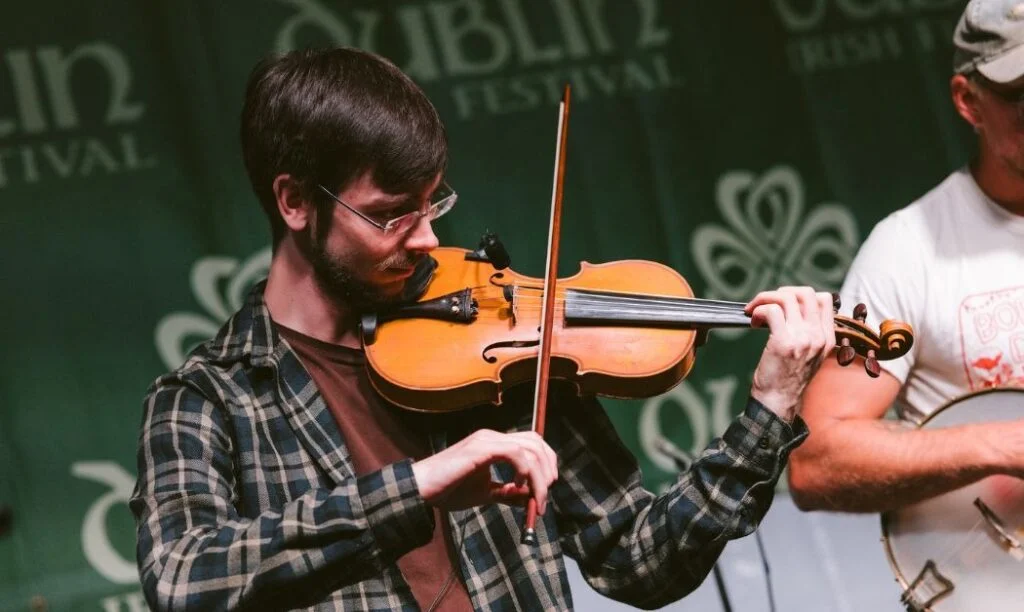
Every August, the city transforms into a full-blown celebration of Irish culture. There’s live music, dancing, food, storytelling, and cultural exhibits that bring tens of thousands of people together.
So when Dublin, Ohio calls itself the “other Dublin,” it actually has the receipts.
If you want to explore the festival itself, you can find more information here.
St. Patrick’s Day in Dublin Is a Full Weekend Celebration
Of course, the Irish pride doesn’t stop in August.
St. Patrick’s Day weekend in Dublin, Ohio is a huge event.
The city hosts:
- A massive St. Patrick’s Day Parade
- A free pancake breakfast
- Pub crawls
- Live entertainment
- Community events throughout the weekend
It’s basically a city-wide celebration where everyone gets to feel a little bit Irish.
And judging by the turnout every year, people absolutely love it.
But Dublin’s History Actually Starts Long Before the Irish Influence
Before it became a hub for Irish culture, the land that Dublin sits on had a much longer history.
Like nearly every part of Ohio, the area was originally home to Native American tribes and cultures, including:
- The Hopewell
- The Adena
- The Delaware
- The Shawnee
- The Wyandot
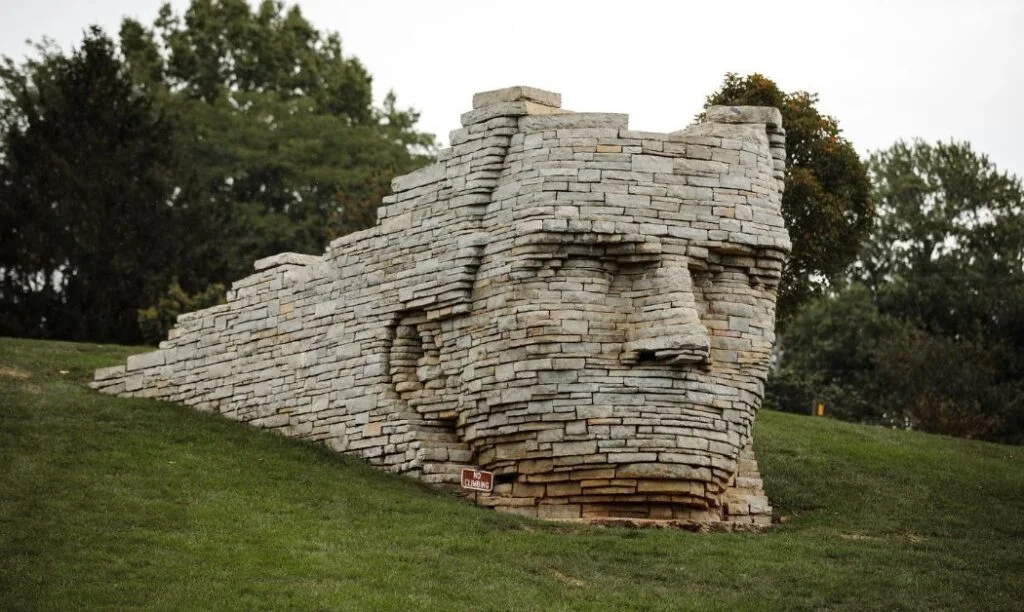
One of the most significant figures tied to Dublin’s early story is Leatherlips, a Wyandot Chief who played a major role in the area’s history.
Leatherlips encouraged cooperation between Native American tribes and European settlers. That stance ultimately led to his execution in 1810 after other Native leaders accused him of siding too closely with settlers.
His death was connected to tensions surrounding the Treaty of Greenville, which established peace between the United States and several tribes including the Wyandot, Delaware, Shawnee, Ottawa, and Chippewa.
Today, Leatherlips is still remembered as an important figure in the region’s history.
So… How Did Dublin, Ohio Get Its Name?
The name itself came from a simple but heartfelt suggestion.
One of the early settlers in the area, John Sells, had a business partner named John Shields, who happened to be from Dublin, Ireland.
When it came time to name the town, Shields made a proposal that still resonates today.
He reportedly said:
“If I have the honor conferred upon me to name your village, with the brightness of the morn and the beaming of the sun on the hills and dales surrounding this beautiful valley, it would give me great pleasure to name your new town after my birthplace, Dublin, Ireland.”
– John Shields
If that doesn’t bring a tear to your eye, I don’t know what will.
Dublin’s Growth Turned It Into One of Central Ohio’s Most Visible Cities
For much of its early history, Dublin was a relatively small village.
But things changed dramatically in the second half of the 20th century.
Several major developments fueled the city’s growth:
- The construction of Interstate 270
- Jack Nicklaus building Muirfield Village Golf Club and the explosion of the Memorial Tournament
- Rapid development in the 21st century, especially Bridge Park
Today, Dublin has grown into one of Central Ohio’s most thriving suburbs.
By 2024, the city’s population had climbed to nearly 50,000 residents, and roughly 15% of that population identifies as Irish.
And interestingly enough, Dublin, Ohio is the most populous “Dublin” in North America.
Not bad for a city named after someone else’s hometown.

The “Other Dublin” Has Fully Embraced Its Irish Roots
Because the city was named after Dublin, Ireland, residents have leaned all the way into the connection.
Between the Irish Festival, St. Patrick’s Day celebrations, and a strong appreciation for Irish culture throughout the year, Dublin has become one of the most Irish-influenced cities you’ll find anywhere in the United States.
So yes, Boston and Chicago might get the headlines.
But if you want to see a city that truly embraces Irish heritage in North America, you might want to spend a little time in Dublin, Ohio.
You might just discover the other Dublin is doing things better than most.
History in Central Ohio
Attention Central Ohio Business Owners!
We built the Step Out advertising program for local businesses that want to get in front of locals in Central Ohio — people actively looking for places to eat, shop, and explore.
A business we advertised even had to hire 2 more people after working with us.
Curious if we’re a good fit for your business?
👉 Learn about our audience
Already thinking, “This sounds perfect for us”?
👉 Learn more about our ads
